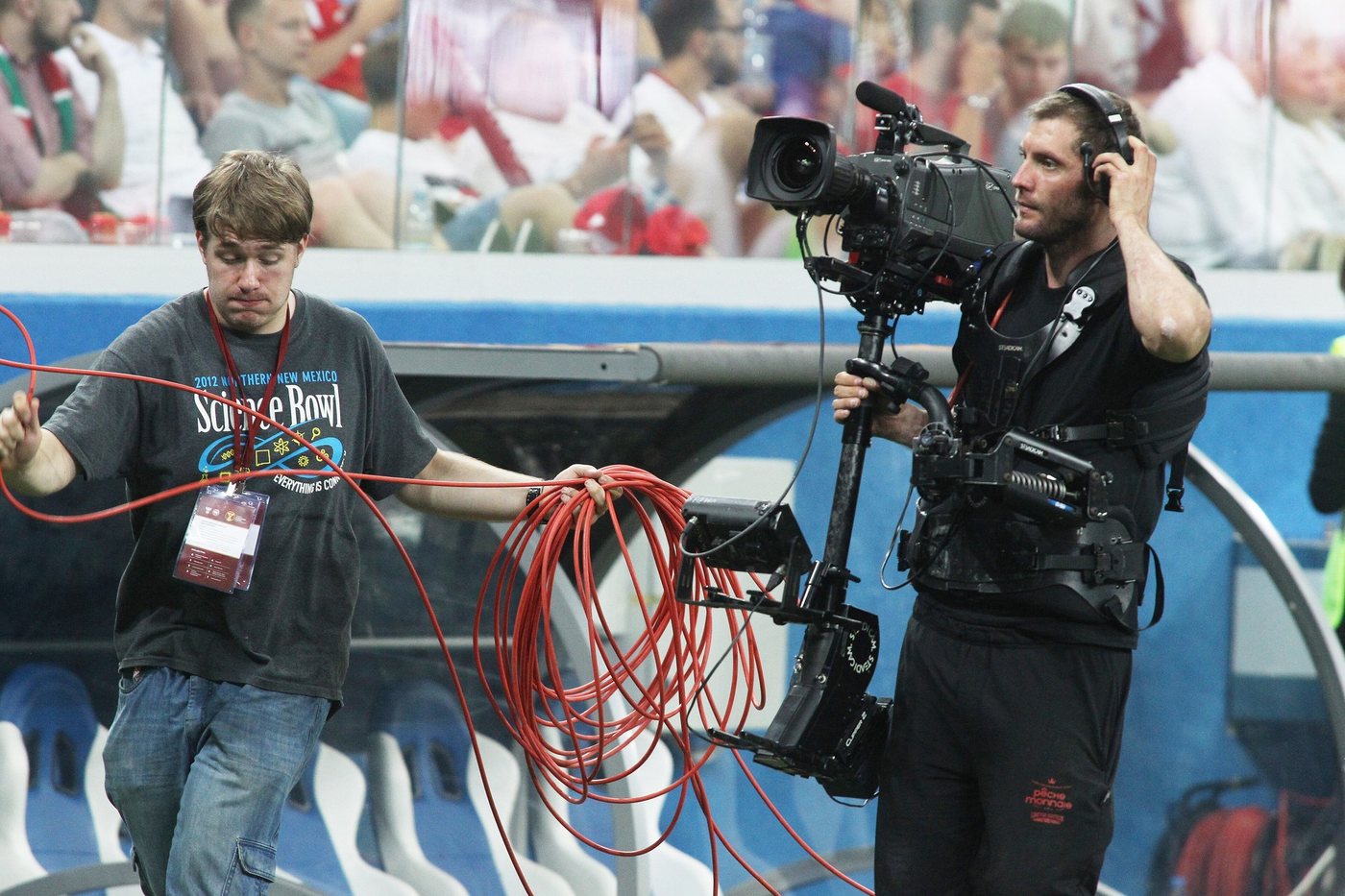
Spotted: Karl Freund riding a bike through a hotel lobby, movie camera on board.
That was 1924, The Last Laugh. Freund steered the bike and the camera rode it across the lobby to the revolving doors. For the drunk dream, he strapped the camera to his chest. The batteries went on his back. Criterion calls it the first time a moving camera was fully worked into how a movie got made.
A hundred years later, anybody can move a camera. The masters mostly don't.
Move it for a reason or leave it alone
"If the camera moves it's got to be for a reason." That's Roger Deakins, talking to Hazlitt in 2015. Then he told everybody to go watch Bresson.
When the camera does move, it follows something. Kubrick needed to chase a kid on a Big Wheel through the Overlook Hotel, so Garrett Brown ran the Steadicam from a wheelchair to keep up.
Center it on purpose
You were told never to center anything. Put it on a third. But James Cutting at Cornell went through almost 14,000 frames from 48 popular movies, 1935 to 2010. Single characters landed in the thirds zones 19 percent of the time. He wrote that the numbers aren't strong evidence for the rule.
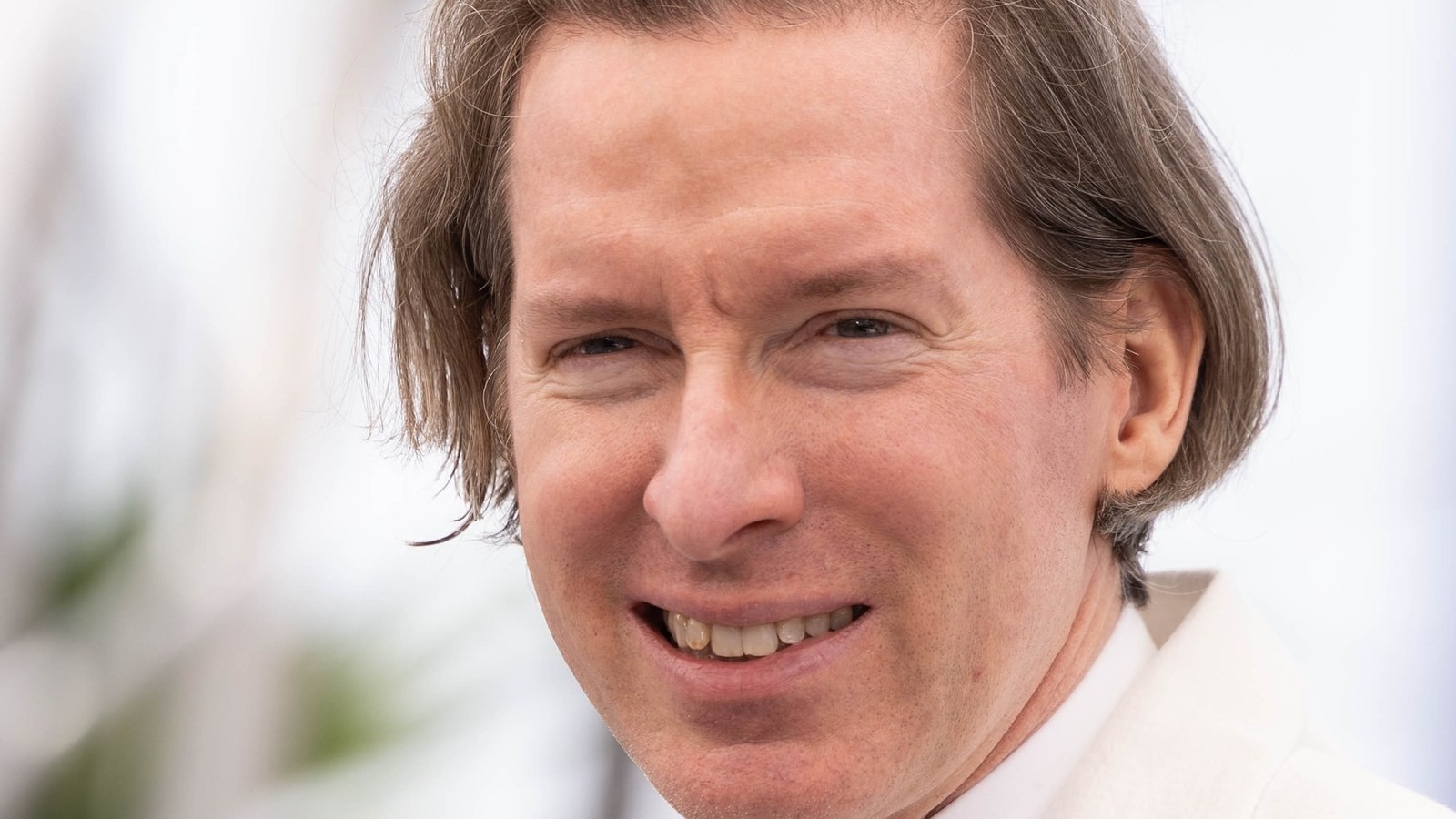
Wes Anderson centers everything. His cinematographer, Robert Yeoman, has an assistant measure from the lens to the corners of the room so the camera sits dead center. Yeoman figures at least 90 percent of Rushmore and The Royal Tenenbaums was one 40mm lens.
But don't repeat what you heard
You heard Birdman was one take. Its cinematographer, Emmanuel Lubezki, told ARRI he didn't want to do the movie in one shot. Rodeo FX built around 100 stitches between the long takes.
You heard Hitchcock shot Rope in one take. A magazine of film back then held a little over 10 minutes. So one take was physically impossible. Every other join hides on the back of a jacket. Same trick as the hand-over-the-lens outfit change.
The real one is Russian Ark. One Steadicam take through the Hermitage on December 23, 2001. The first three tries ended early. The fourth went all the way.
So go see where it started
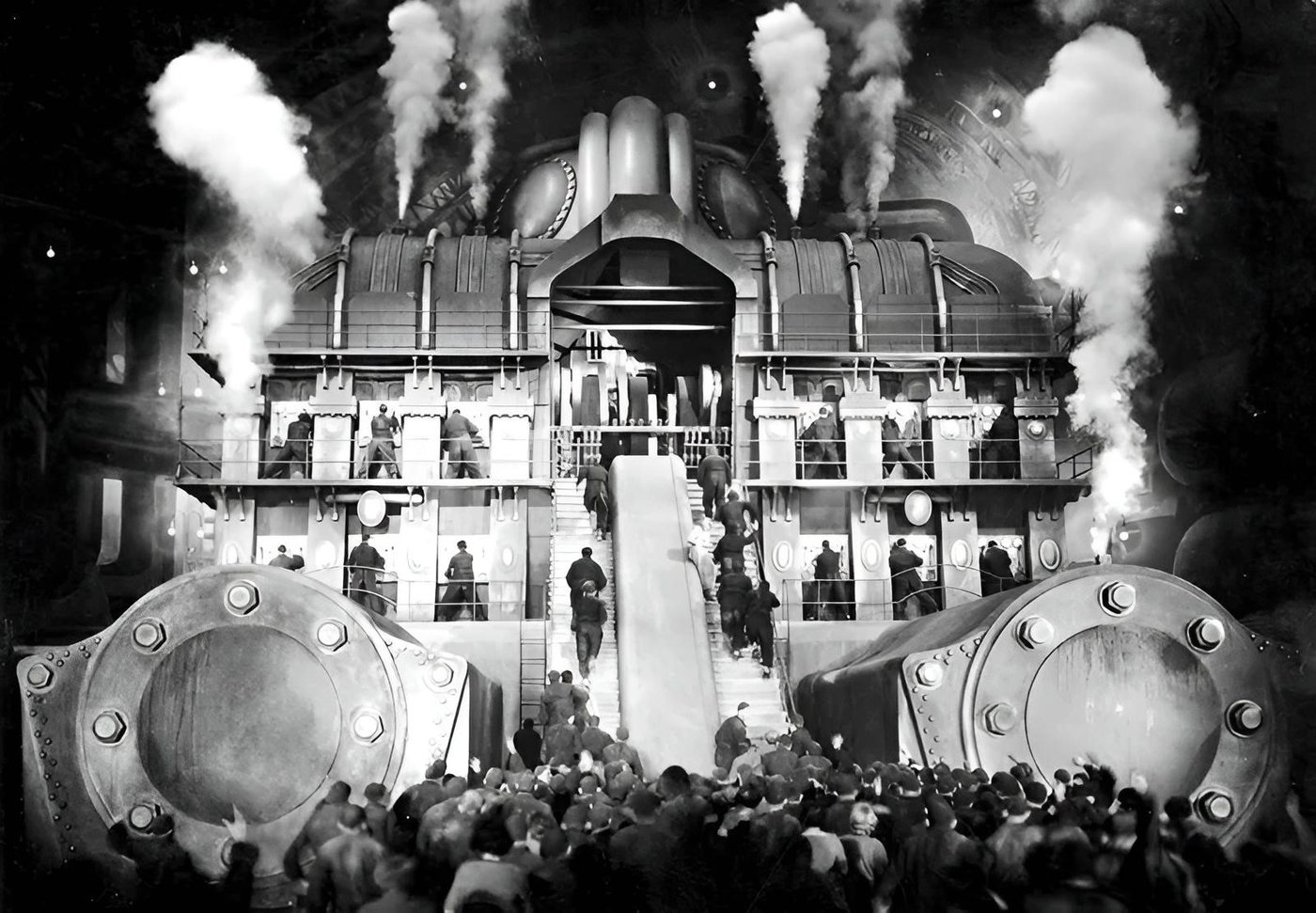
Murnau directed The Last Laugh. Two years later he made Faust. Alamo Drafthouse Park North is showing it with a live score by The Invincible Czars. Austin gets the same show two nights later at AFS Cinema.
And Wes Anderson, the guy who centers everything, was born in Houston. He met Owen Wilson in a playwriting class at UT Austin.
Monday, November 2, 7 PM. Faust with a live score, Alamo Drafthouse Park North, San Antonio.
Next in THE CRAFT: Every Light Needs An Alibi.
Spotted something? Tell the desk. Off the record stays off the record.