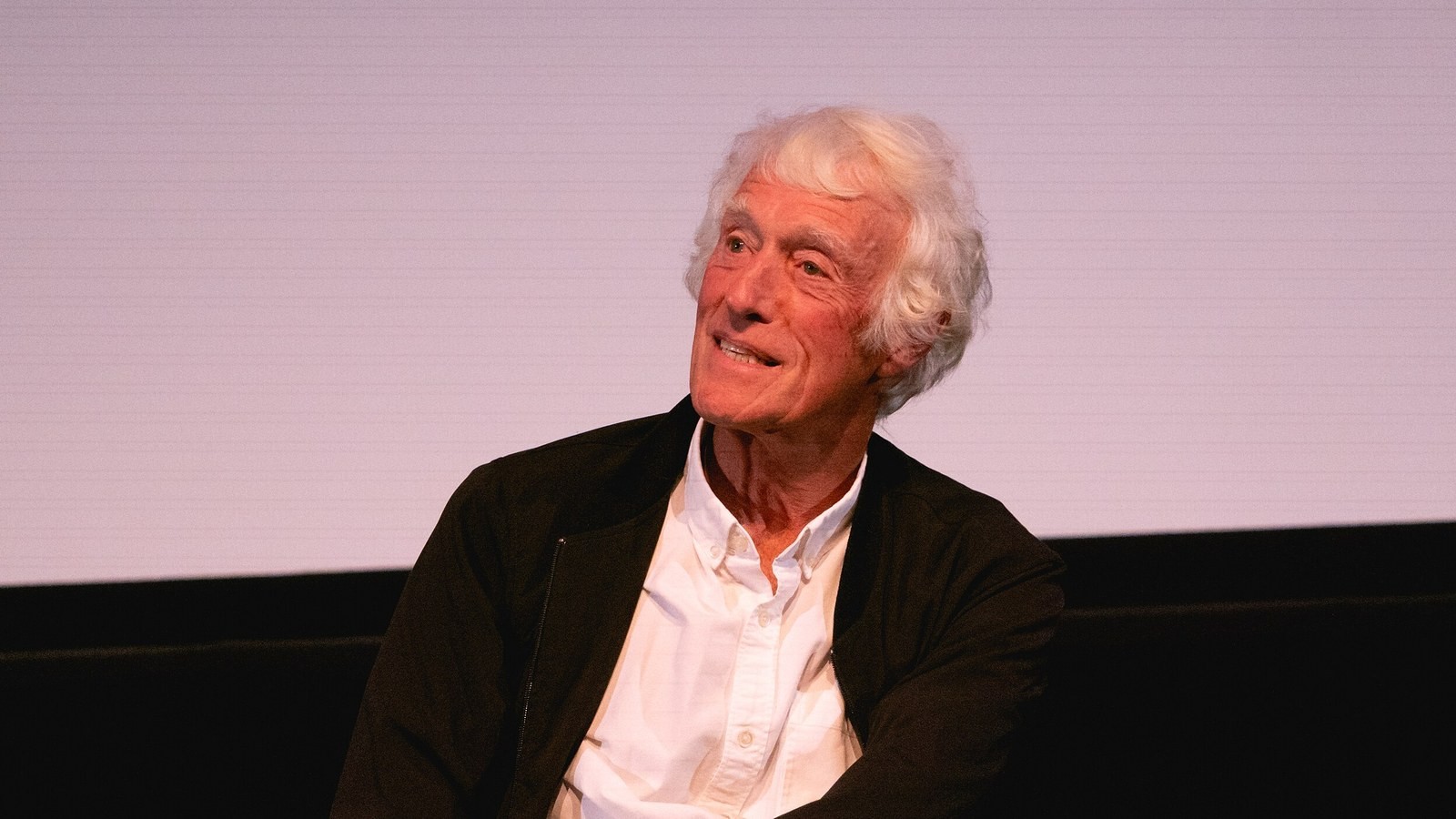
Spotted: Emmanuel Lubezki's crew building a wall to block out the moon.
Night shoot on The Revenant. A campfire. A weird light kept landing on the actors' faces and wrecking the shots. Lubezki got on the radio and asked somebody to switch it off. It was the full moon. So the crew built a wall behind the camera, 40 feet by 30, to hide it. He told British Cinematographer in 2016.
That's the whole game. Every light on screen is pretending to be something. Your job is to keep its story straight.
Give every light an alibi
Roger Deakins lit the night town in 1917 with two things. Flares on crane wires that burned 22 to 30 seconds each, and a fake burning church. The church was a rig 50 feet high with about 2,000 bulbs on dimmers. He told American Cinematographer the fire and a few flares were the only sources.
But his fire trick is cheap. A plain tungsten bulb run at 20 to 30 percent goes orange and reads as flame. If you've ever turned an old bulb way down on a dimmer, you've seen it.
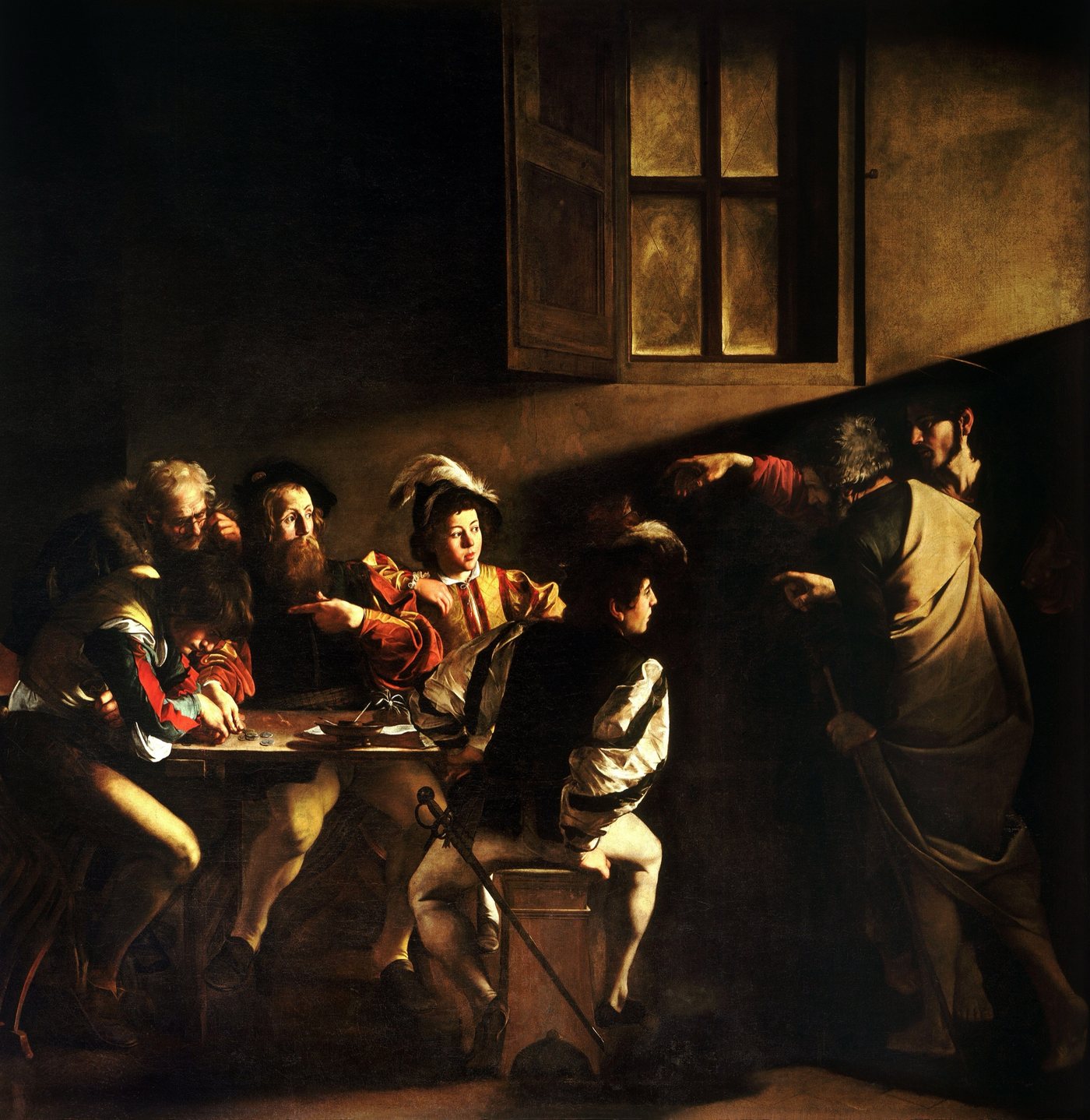
Vittorio Storaro says his eye changed in a small church in Rome, in front of Caravaggio. One beam across the room. Everything else left dark.
But don't repeat what you heard
You heard Kubrick shot Barry Lyndon on a lens NASA built for the dark side of the moon. Zeiss made that lens, and Zeiss says "There is no evidence to support the myth". Ten were made. Six went to NASA. Kubrick ended up with three.
The candles were real, though. Three wicks each. A key around 3 foot-candles. The whole film pushed a stop in the lab. But a lot of the famous daylight in those rooms was movie lamps outside the windows, shining through tracing paper.
You heard The Revenant was natural light only. Lubezki says natural light for the vast majority. But at one windy campfire he slipped in a steady light on a dimmer and let the real fire flicker over it.
So be early
Days of Heaven is set in the Texas Panhandle in 1916, and most of it was shot as the day ran out. Its cinematographer, Néstor Almendros, wrote that sunset to full dark is only about 20 minutes. So they shot about 20 minutes a day.
In San Antonio on Saturday, October 17, the sun sets at 7:01 PM and civil twilight runs out at 7:25. Be framed by 6:30. That's your window.
Saturday, October 17, San Antonio. Sunset 7:01 PM. Bring one light and a reason for it.
Next in THE CRAFT: The Lightsaber Was A Projector.
Spotted something? Tell the desk. Off the record stays off the record.